

This Gluten-Free Pizza Crust is chewy, crisp on the bottom, light inside, and easy enough for homemade pizza night. Olive oil and almond flour help the crust brown beautifully, while psyllium husk gives the dough the elasticity and structure that can be difficult to achieve in gluten-free baking.
The dough comes together in a stand mixer, rises briefly, and is par-baked before the toppings are added. That extra baking step helps create a crisp bottom without turning the crust dry or cracker-like.
If you enjoy homemade gluten-free baking, this Gluten-Free Artisan Bread is another useful recipe to keep in your rotation.
Table of Contents
Why You’ll Love This Gluten-Free Pizza Crust
- Chewy and crisp: The crust develops a crisp bottom while keeping a good chew.
- Golden and flavorful: Olive oil and almond flour help with flavor and browning.
- Beginner-friendly: The dough is simple to mix and does not need multiple rises.
- Par-baked for better texture: Baking the crust before adding toppings helps prevent a soft bottom.
- Flexible: The recipe works with many high-quality gluten-free flour blends that contain xanthan gum.
If pizza night is a regular thing at your house, French Bread Pizza is another easy option for a completely different style of crust.
Key Ingredients
Gluten-Free 1:1 Baking Flour
Use a high-quality gluten-free measure-for-measure flour blend. The source notes that the recipe works well with many gluten-free all-purpose blends and recommends choosing one that contains xanthan gum.
Because gluten-free flour blends can absorb liquid differently, the exact dough consistency may vary slightly from one brand to another.
Almond Flour
A small amount of almond flour adds protein and fat, which helps improve flavor and encourages a golden crust.
For a nut-free version, the source says the almond flour can be replaced with additional gluten-free flour.
Psyllium Husk Powder
Psyllium husk powder is important for the texture of this dough. It absorbs liquid and gives the crust elasticity, strength, and a more bread-like chew.
Baking Powder
Baking powder helps lighten the dough.
Instant Yeast
Instant yeast works well because gluten-free dough does not require the same multiple-rise process as traditional wheat dough.
For another gluten-free dough-based recipe, Gluten-Free Butter Swim Biscuits are another easy baking option.
How to Make Gluten-Free Pizza Crust
1. Prepare the Yeast
Mix the instant yeast with the sugar and water and let it sit until the mixture becomes bubbly.
2. Combine the Dry Ingredients
Add the dry ingredients to the bowl of a stand mixer fitted with the paddle attachment and mix to combine.
3. Add the Wet Ingredients
With the mixer running on low, slowly pour in the yeast mixture followed by the olive oil.
Increase the speed to medium-high and mix for about 5 minutes.
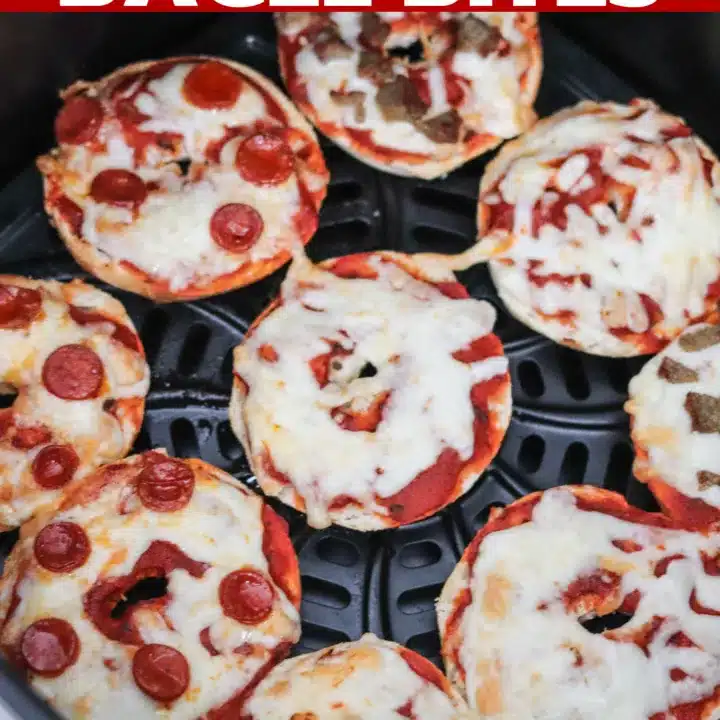
For another easy pizza-style recipe, these Homemade Air Fryer Bagel Bites are a useful quick option.
4. Check the Dough Texture
The dough should look more like thick cookie dough than a traditional kneadable pizza dough.
5. Shape and Let Rise
Press the dough onto the prepared pizza pan and let it rise for about 10 minutes.
6. Par-Bake the Crust
Par-bake the crust for about 15 to 20 minutes before adding the toppings.
After adding toppings, the source finishes the pizza for another 10 to 15 minutes. A pizza steel or stone can help create an even crispier bottom.
If you want another gluten-free Italian-style meal, Gluten-Free Chicken Parmesan pairs naturally with the same flavors.
Gluten-Free Pizza Dough Consistency
Gluten-free pizza dough does not behave like traditional wheat dough. It should be thick and soft rather than firm enough to knead by hand.
Different gluten-free flour blends absorb water differently, so your dough may be slightly thicker or thinner depending on the flour you use and how it was measured.
If the dough seems too runny, mix it for 3 to 4 minutes first. If it still needs thickening, add a small amount of additional flour at a time.
For another gluten-free comfort-food recipe, Gluten-Free Mac and Cheese is another family-friendly option.
Tips for the Best Gluten-Free Pizza
- Par-bake the crust. This is one of the most important steps for getting a crisp bottom.
- Use parchment paper. It makes the soft gluten-free dough easier to handle before the first bake.
- Use a pizza steel or stone if available. Moving the crust directly onto the hot surface for the second bake helps crisp the bottom.
- Watch the consistency. The dough should resemble thick cookie dough, not a pourable batter.
- Expect flour blends to behave differently. Gluten-free flours do not all absorb moisture in exactly the same way.
For information about what the “gluten-free” label means on packaged foods, see the FDA guidance on gluten-free food labeling.
If you want another gluten-free baked recipe to serve with dinner, Gluten-Free Artisan Bread uses a different dough technique but has the same homemade-bread appeal.
Serving Ideas
This crust can be topped with your favorite pizza sauce, cheese, vegetables, or meat toppings after the initial par-bake.
For a complete gluten-free dinner, serve pizza with Gluten-Free Green Bean Casserole or another simple vegetable side.
If you prefer something lighter, Gluten-Free Minestrone Soup can work as a soup-and-pizza combination.
Another hearty family meal to keep in your gluten-free rotation is Gluten-Free Chicken Broccoli Cheddar Rice.
And for a different baked comfort-food dinner, try Gluten-Free Chicken Pot Pie.
Troubleshooting Tips & FAQs
Why is my gluten-free pizza crust too crumbly or dry?
Gluten-free flour blends can behave differently, so use a high-quality measure-for-measure blend with xanthan gum and follow the flour guidance in the recipe.
The source notes that the dough consistency can vary depending on the flour blend and even how the flour is measured.
Psyllium husk is also important because it helps absorb liquid while adding elasticity and strength to the dough.
Why is my pizza crust too tough or hard?
Try shortening the baking time slightly the next time you make it or press the crust a little thicker before baking.
The goal is a crisp bottom with a chewy interior rather than a thin, cracker-like crust.
What’s the best way to freeze this pizza crust?
Par-bake the crust according to this recipe’s normal instructions for 15 to 20 minutes, then let it cool completely.
Transfer the cooled crust to a sealed freezer-safe container and freeze for up to 1 month. Add toppings after thawing and finish baking when you are ready to serve.
Why does gluten-free pizza dough look different from regular pizza dough?
This dough should look more like thick cookie dough than traditional pizza dough. It is softer and does not need to be kneaded like wheat dough.
Can I use a different gluten-free flour blend?
The source says the recipe works with many high-quality gluten-free flour blends, especially measure-for-measure blends containing xanthan gum.
Because brands vary, the dough may need a small adjustment in flour to reach the correct consistency.
Why should I par-bake the crust?
Par-baking helps the bottom set and crisp before moist sauce and toppings are added.
The source recommends par-baking for 15 to 20 minutes before adding toppings.
PrintGluten-Free Pizza Crust (5-Star Recipe!)

The only gluten-free pizza crust recipe you’ll ever need. Easy to make and works with basically any gluten-free flour blend. Bakes up chewy and crispy!It’s my go-to pizza dough recipe and just a glance at the hundreds of reviews in the comments section tells me that it’s a favorite for many others too!
- Prep Time: 30 mins
- Cook Time: 35 mins
- Total Time: 65 mins
- Yield: 4, 4 servings 1x
- Category: Bread, Dinner
- Cuisine: American
Ingredients
- 1 cup (240ml) warm water (about 110°F)
- 1 tablespoon granulated sugar
- 1 1/2 teaspoons instant yeast
- 1 1/2 cups (225g) gluten-free measure-for-measure flour
- 1/4 cup (25g) almond flour
- 1 tablespoon psyllium husk powder
- 1 teaspoon baking powder
- 3/4 teaspoon kosher salt
- 2 tablespoons olive oil
Instructions
- In a measuring cup, combine the warm water, sugar and yeast in a glass measuring cup. Whisk to combine. Let proof for 5-10 minutes.
- In the bowl of a stand mixer fitted with the paddle attachment, add the gluten-free flour, almond flour, psyllium husk powder, baking powder and salt.
- With the mixer running on low, add the yeast mixture along with the olive oil. Increase the speed to medium-high and mix for 5 minutes. The dough will resemble thick cookie dough, this is normal.
- Using an oiled rubber spatula, scrape down the bottom and sides of the bowl and mix again until well-combined.
- Scoop the dough into the prepared pan and smooth the top with wet hands. Cover with oiled plastic wrap and let rise in a warm place for 45-60 minutes.
- Place a pizza steel or pizza stone in the oven. Preheat the oven to 425°F. Line a 12-inch round pizza pan with a circle of parchment paper. Spray the parchment paper with cooking spray.
- Using oiled or wet hands, press the dough into the pan. The dough will shrink slightly as it bakes, so press the dough as thin as you can to cover the pan. Let rise for another 10 minutes.
- Bake the crust without toppings for 15-20 minutes. Remove from the oven and add your desired toppings.
- Slide the pizza off the parchment paper and pan directly onto the pizza steel. Bake for another 10-15 minutes until the toppings are bubbly and cooked to your liking.
- Remove from the oven and let cool for 5 minutes before slicing.
Nutrition
- Calories: 286 kcal
- Sugar: 5 g
- Sodium: 442 mg
- Fat: 12 g
- Saturated Fat: 1 g
- Carbohydrates: 41 g
- Fiber: 8 g
- Protein: 8 g
Keywords: easy pizza crust recipe, gluten free pizza dough, gluten-free pizza crust, gluten-free pizza crust recipe, psyllium husk powder